What are the common early signs of mold?
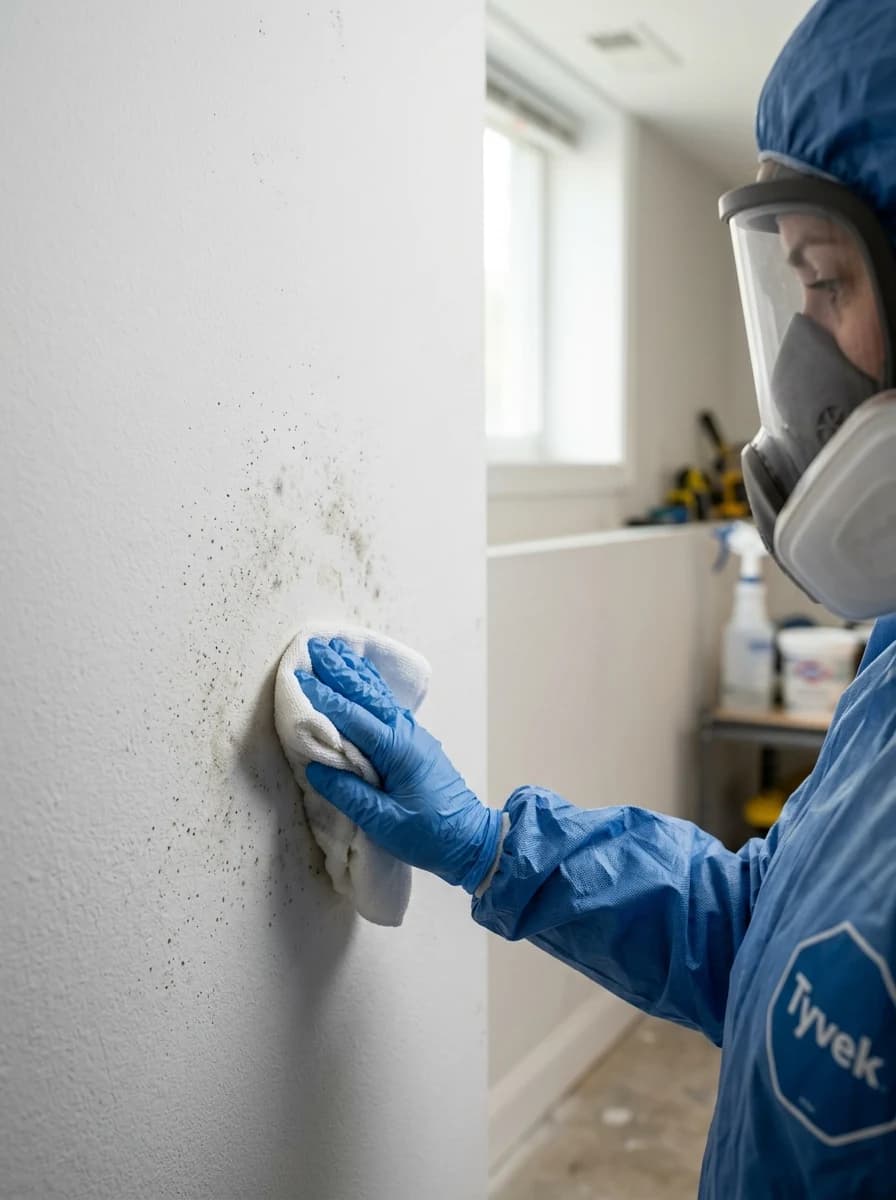
One of the most common early signs of mold is a musty odor. This smell often indicates the presence of mold even before it's visible. Mold spores produce a distinctive earthy smell that can linger in the air, especially in enclosed or poorly ventilated areas. Additionally, look for discolored spots on walls, ceilings, or floors, which might appear as green, black, or brown patches. Pay special attention to areas where water has previously been present, such as beneath sinks, around windows, or near air conditioning units. Regularly inspect areas that are prone to moisture, such as basements and bathrooms, particularly in humid climates like New Jersey. Mold can also manifest as bubbling or peeling paint or wallpaper, as the moisture behind these materials can cause them to separate from the wall. Be vigilant in attics and crawl spaces as well, as they often go unnoticed and can harbor mold for long periods.
How can regular home maintenance help?
Regular home maintenance is crucial in preventing mold. Ensure that your home is well-ventilated, especially in moisture-prone areas. Use exhaust fans in bathrooms and kitchens to reduce humidity levels. These fans should ideally vent to the outside, not just into the attic or crawl space, to effectively remove moisture from your home. Regularly check for leaks in plumbing, including under sinks, around toilets, and behind appliances like dishwashers and washing machines. Promptly repair any leaks to prevent water accumulation. Keeping gutters clean is essential; clogged gutters can lead to water overflow, which may seep into your home's foundation or walls. Ensure that water drains away from the foundation by grading the soil around your home. In addition, inspect your roof for missing shingles or other signs of damage that could allow water to enter. If you're unsure about how to maintain these systems, consider scheduling a consultation with Bergenfield Mold Removal. Learn more about our services.
When should you call a professional?
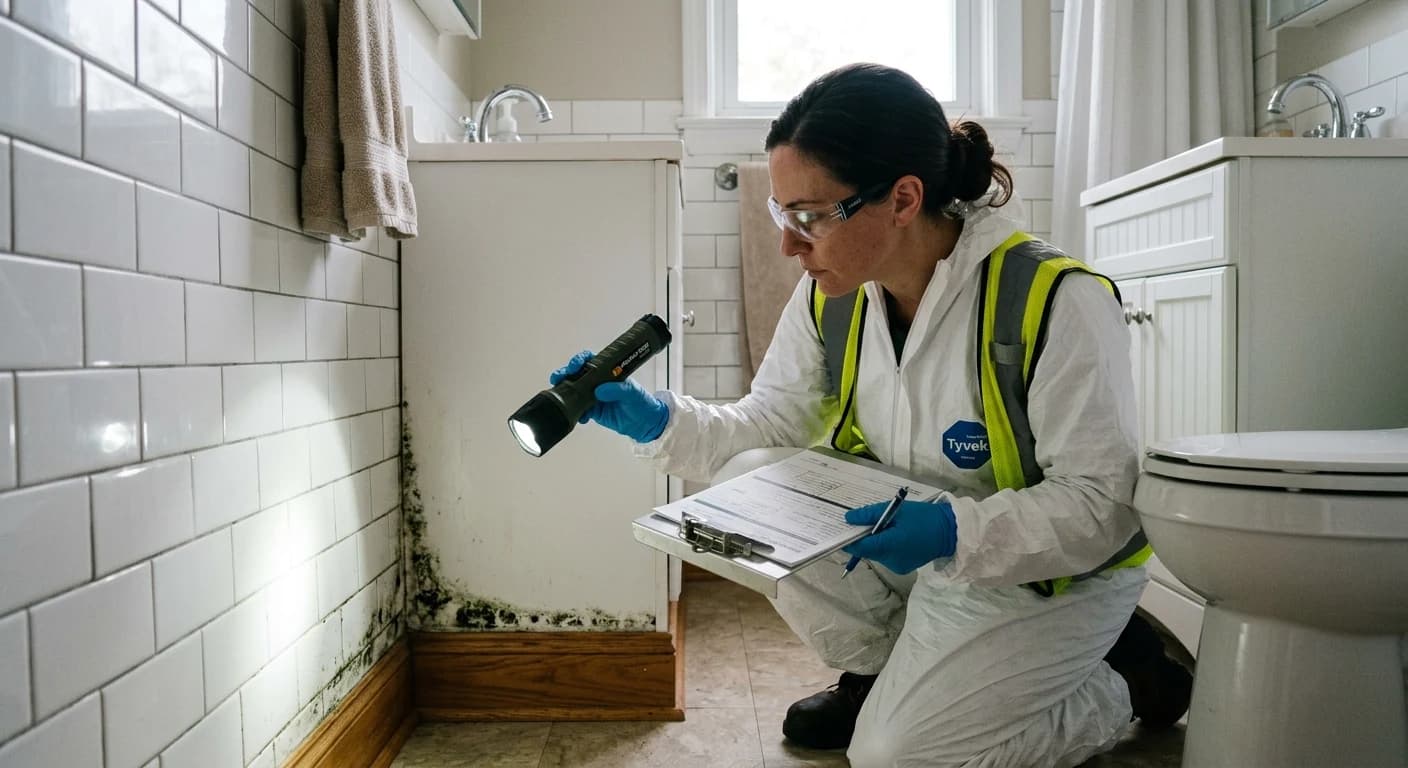
If you detect signs of mold, it's important to act quickly. While small areas of mold may be manageable with household cleaning products and protective gear, larger infestations require professional help. Mold that covers an area larger than 10 square feet, or that is located in a place that's difficult to clean (such as HVAC systems or within walls), should be handled by professionals. Professionals have the tools, such as HEPA vacuums and air scrubbers, and expertise needed to safely and effectively remove mold, ensuring that it doesn't return. They can also identify sources of moisture that you might have overlooked and suggest solutions to prevent future growth. In cases where mold is suspected to affect your health, such as causing respiratory issues or allergic reactions, professional intervention is not only recommended but necessary to ensure the health and safety of your household.
What DIY solutions can help manage mold?
If you've identified small patches of mold in your home, there are several do-it-yourself solutions that can help manage and eliminate them. Begin by wearing protective gear, such as gloves, goggles, and a mask, to avoid exposure to mold spores. A mixture of water and detergent can be effective for cleaning non-porous surfaces like tiles or glass. For porous materials like wood or drywall, you might need a more potent solution, such as a mixture of vinegar and baking soda. Spray the solution onto the affected area, let it sit for a few minutes, and then scrub with a brush. Always ensure the area is well-ventilated during cleaning to prevent moisture accumulation. After cleaning, dry the area thoroughly with a fan or dehumidifier to prevent mold from returning. It's also beneficial to regularly monitor humidity levels in your home with a hygrometer, aiming to keep them below 60%. While these methods can be effective for minor mold issues, remember that if the problem persists or worsens, professional assistance may be necessary to ensure complete removal and to address any underlying moisture problems.
How can lifestyle changes reduce mold risk?
Adopting certain lifestyle changes can significantly reduce the risk of mold in your home. Start by controlling indoor humidity, a key factor in mold growth. Use dehumidifiers in damp areas like basements, especially during humid summer months. Regularly open windows to promote air circulation, or use ceiling fans to keep air moving. In the kitchen, cover pots when cooking and use exhaust fans to manage steam and moisture. Similarly, after showering, leave the bathroom door open or run the fan to disperse humidity. Avoid drying clothes indoors, as this can increase moisture levels; instead, use a dryer vented to the outside. Houseplants can also contribute to humidity, so consider reducing their number or placing them in well-ventilated areas. Additionally, ensure that your home is clutter-free, as clutter can trap moisture and provide a breeding ground for mold. In Bergenfield, NJ, where seasonal humidity can be high, these lifestyle adjustments are particularly important. By integrating these habits into your daily routine, you can create an environment less conducive to mold growth, promoting a healthier living space.
How to Identify Hidden Mold Sources?
While visible mold can be addressed promptly, hidden mold poses a significant challenge and can lead to extensive damage if not detected early. One effective way to identify hidden mold is by using your sense of smell. A persistent musty odor in a particular area, even after cleaning, may indicate mold growth behind walls or under flooring. Pay attention to water stains or discoloration on ceilings and walls, as these can signal leaks that foster mold. Use a moisture meter to detect dampness in building materials, which can help pinpoint areas at risk. Additionally, be aware of any increase in allergy-like symptoms, such as sneezing or itchy eyes, when you are in certain rooms, as this can be a sign of mold presence. Regularly inspect areas prone to moisture, such as basements, attics, and behind appliances, for any signs of water damage or leaks. If you suspect hidden mold, it may be wise to consult with a professional who can conduct a thorough inspection using specialized equipment like infrared cameras to detect moisture and potential mold growth in concealed spaces.
Why Is Mold Testing Important?
Mold testing is a critical step in understanding the extent and type of mold present in your home, particularly when the source is not immediately visible. Testing can help identify the specific species of mold, which is crucial for determining the appropriate remediation strategy. Some molds, like Stachybotrys chartarum (black mold), can be more harmful than others and require specialized treatment. Mold testing typically involves air and surface sampling, which are analyzed in a lab to provide detailed information about the mold's characteristics. This process can also reveal hidden mold sources by detecting spores in the air that originate from unseen colonies. In addition to guiding the remediation process, mold testing can provide peace of mind by confirming whether your home environment is safe, especially if household members are experiencing unexplained health issues. In areas like New Jersey, where humidity levels can fluctuate, regular mold testing can be a proactive measure to ensure your home remains a healthy living space. Engaging with a certified mold inspector can also help prevent future mold issues by identifying potential problem areas early on.