Should you attempt to clean the mold yourself?
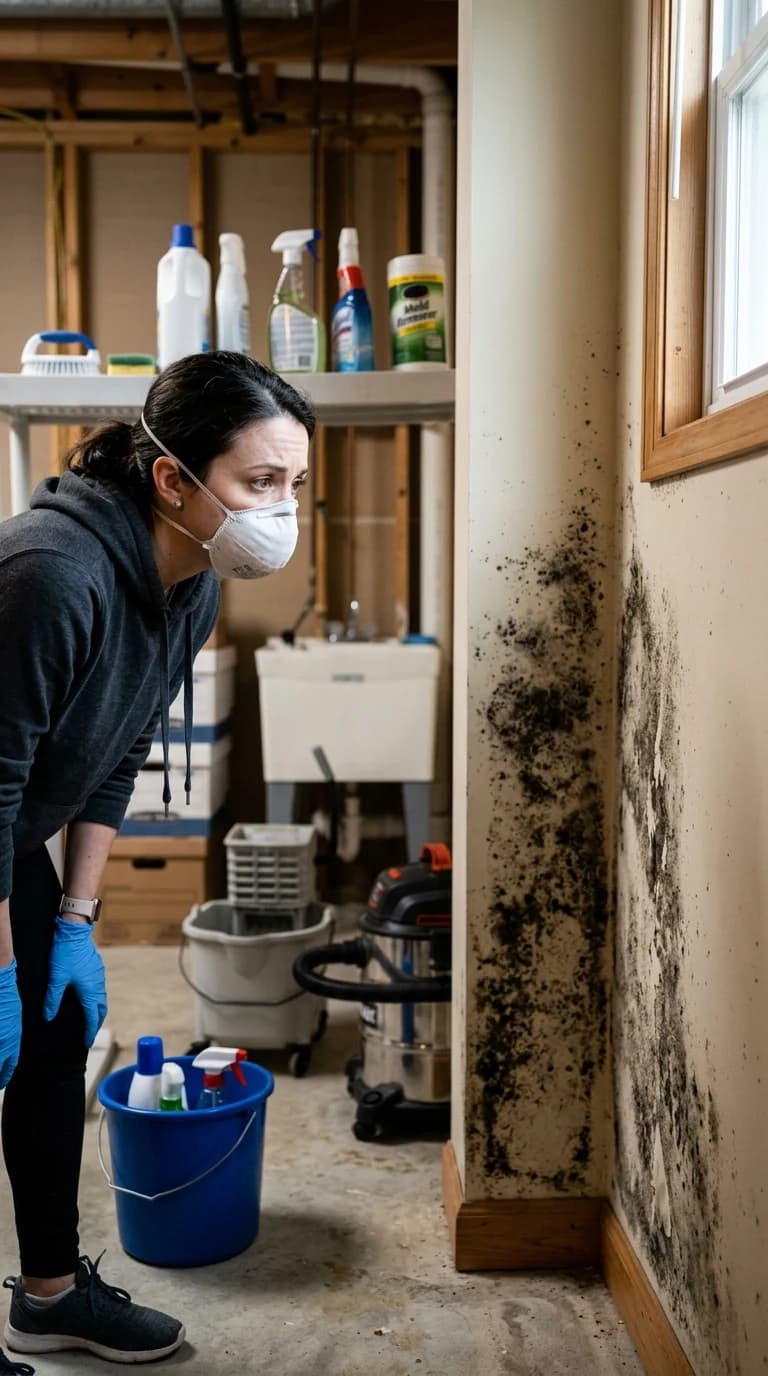
For small patches of mold, it might be tempting to clean it yourself. However, improper handling can spread spores, worsening the problem. Always wear protective gear such as gloves and a mask if you decide to tackle small areas. Use a mold-specific cleaner or a mixture of water and detergent. Avoid using bleach as it can sometimes exacerbate the problem. For larger infestations, it's best to consult a professional.
When dealing with mold, it is crucial to assess the size and type of mold you're confronting. Small areas, less than 10 square feet, can generally be managed by homeowners with the right precautions. However, even in these cases, it's essential to ensure the area is well-ventilated. Open windows and use fans to help disperse any airborne spores. Remember, mold can cause health issues, especially for those with respiratory problems or allergies, so if you experience any adverse health effects, stop immediately and consult a professional.
If you decide to proceed, ensure you contain the area to prevent spores from traveling to other parts of your home. Use plastic sheeting to seal off the area and clean any tools thoroughly after use. It's also wise to discard any materials that have been heavily contaminated, such as carpets or drywall, as they can harbor mold spores even after cleaning.
When dealing with mold, it is crucial to assess the size and type of mold you're confronting. Small areas, less than 10 square feet, can generally be managed by homeowners with the right precautions. However, even in these cases, it's essential to ensure the area is well-ventilated. Open windows and use fans to help disperse any airborne spores. Remember, mold can cause health issues, especially for those with respiratory problems or allergies, so if you experience any adverse health effects, stop immediately and consult a professional.
If you decide to proceed, ensure you contain the area to prevent spores from traveling to other parts of your home. Use plastic sheeting to seal off the area and clean any tools thoroughly after use. It's also wise to discard any materials that have been heavily contaminated, such as carpets or drywall, as they can harbor mold spores even after cleaning.
Why is it important to identify the source of moisture?
Mold thrives in moisture. Therefore, identifying and eliminating the source of moisture is crucial. Check for leaks in roofs, windows, or pipes. Ensuring proper ventilation in damp areas can prevent the recurrence of mold. Addressing these issues promptly can help mitigate further growth. For persistent moisture problems, contact Bergenfield Mold Removal for professional advice or reach out to us.
Finding the source of moisture is not just about fixing visible leaks. Sometimes moisture problems can be hidden, such as condensation in walls or high humidity levels in basements and crawl spaces. It's important to inspect areas that are prone to dampness, such as bathrooms, kitchens, and laundry rooms. Ensure that exhaust fans are functioning correctly and are vented to the outside of the home, not just into the attic, which can create new moisture problems.
Consider using a dehumidifier in particularly humid areas of your home to maintain a relative humidity level of 30-50%. This can significantly reduce the likelihood of mold growth. Additionally, regular maintenance checks on your home's plumbing and roof can preemptively address potential moisture sources before they become significant issues.
Finding the source of moisture is not just about fixing visible leaks. Sometimes moisture problems can be hidden, such as condensation in walls or high humidity levels in basements and crawl spaces. It's important to inspect areas that are prone to dampness, such as bathrooms, kitchens, and laundry rooms. Ensure that exhaust fans are functioning correctly and are vented to the outside of the home, not just into the attic, which can create new moisture problems.
Consider using a dehumidifier in particularly humid areas of your home to maintain a relative humidity level of 30-50%. This can significantly reduce the likelihood of mold growth. Additionally, regular maintenance checks on your home's plumbing and roof can preemptively address potential moisture sources before they become significant issues.
When should you call a mold removal expert?
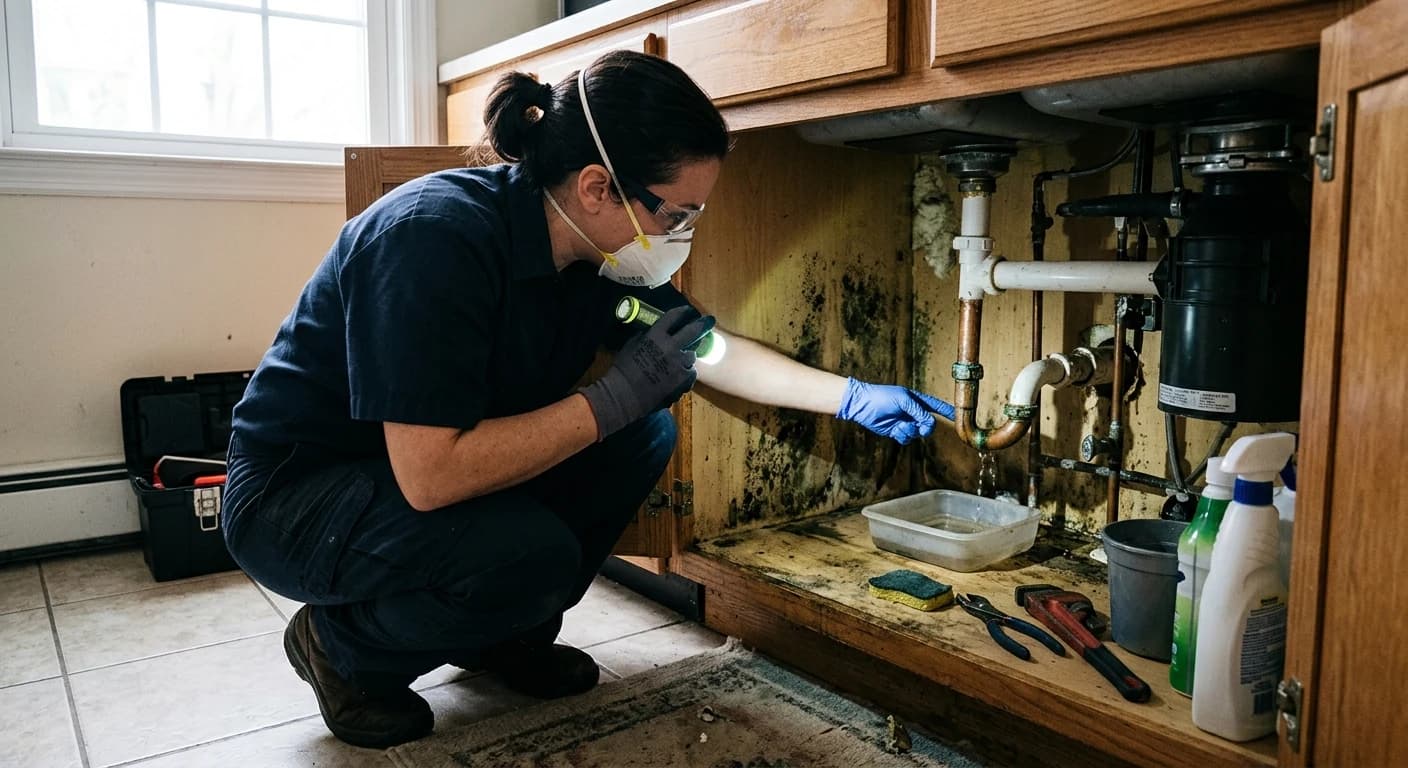
If the mold covers a large area or if you have health concerns, it's wise to call a mold removal expert immediately. Professionals can assess the situation and provide a comprehensive remediation plan. They have the necessary equipment to safely remove mold and prevent it from returning, ensuring your home remains safe and healthy.
Calling a professional is especially important if the mold is extensive or has penetrated porous materials, such as drywall or insulation, which can be challenging to clean effectively. Experts have specialized tools, like HEPA vacuums and air scrubbers, to safely remove mold and prevent airborne spores from contaminating other areas of your home.
Moreover, professionals can conduct air quality tests to determine the extent of mold contamination and identify any hidden mold that might not be immediately visible. They can also help in identifying the type of mold present, as some molds, like black mold (Stachybotrys chartarum), can be particularly harmful to health. Engaging a professional service ensures that the mold is thoroughly removed and that preventative measures are in place to stop it from returning. If you're in Bergenfield, consider reaching out to a local expert to ensure your home is safe and healthy.
Calling a professional is especially important if the mold is extensive or has penetrated porous materials, such as drywall or insulation, which can be challenging to clean effectively. Experts have specialized tools, like HEPA vacuums and air scrubbers, to safely remove mold and prevent airborne spores from contaminating other areas of your home.
Moreover, professionals can conduct air quality tests to determine the extent of mold contamination and identify any hidden mold that might not be immediately visible. They can also help in identifying the type of mold present, as some molds, like black mold (Stachybotrys chartarum), can be particularly harmful to health. Engaging a professional service ensures that the mold is thoroughly removed and that preventative measures are in place to stop it from returning. If you're in Bergenfield, consider reaching out to a local expert to ensure your home is safe and healthy.
How to Properly Dispose of Mold-Contaminated Materials
Disposing of mold-contaminated materials correctly is crucial to prevent further spread of spores. Begin by sealing off the affected area with plastic sheeting to avoid contaminating other parts of your home. Wear protective gear, including gloves, goggles, and a mask, to protect yourself from inhaling spores or coming into contact with mold. When removing materials like drywall, carpeting, or insulation that are heavily infested, double-bag them in heavy-duty plastic bags. Seal the bags tightly with duct tape to ensure no spores escape during transport.
Once bagged, the materials should be disposed of according to your local waste disposal regulations. Some areas may require you to take these materials to a special facility for hazardous waste. Check with your local waste management authority in NJ to understand the specific guidelines. Avoid leaving mold-contaminated materials in your regular trash bin, as this can pose a risk to sanitation workers and the environment.
After disposing of the materials, thoroughly clean the area with a HEPA vacuum and a mold-specific cleaning solution. This helps to remove any residual spores and reduce the risk of mold returning. Ensure that any tools used during the removal process are also cleaned and sanitized to prevent cross-contamination. Proper disposal and cleanup are key steps in effectively managing mold infestations.
Once bagged, the materials should be disposed of according to your local waste disposal regulations. Some areas may require you to take these materials to a special facility for hazardous waste. Check with your local waste management authority in NJ to understand the specific guidelines. Avoid leaving mold-contaminated materials in your regular trash bin, as this can pose a risk to sanitation workers and the environment.
After disposing of the materials, thoroughly clean the area with a HEPA vacuum and a mold-specific cleaning solution. This helps to remove any residual spores and reduce the risk of mold returning. Ensure that any tools used during the removal process are also cleaned and sanitized to prevent cross-contamination. Proper disposal and cleanup are key steps in effectively managing mold infestations.
Preventing Mold Recurrence Through Regular Maintenance
Preventing mold from recurring requires consistent home maintenance and monitoring of potential problem areas. Regularly inspect your home for signs of water damage or leaks, particularly after heavy rains or snow melts. Pay close attention to areas like basements, attics, and crawl spaces, which are more susceptible to moisture buildup. Repair any leaks promptly and consider applying waterproofing solutions to vulnerable areas to keep moisture at bay.
Ensure that your home’s ventilation systems are functioning effectively. This includes checking that exhaust fans in bathrooms and kitchens are vented outside and not into attics or other enclosed spaces. Keeping air circulation optimal helps to reduce humidity levels, which is crucial in mold prevention. For homes in particularly humid climates, using a dehumidifier can help maintain indoor humidity at safe levels, ideally between 30-50%.
Additionally, consider installing moisture barriers in crawl spaces and using mold-resistant products when renovating or building new structures. These products are designed to inhibit mold growth and can be particularly effective in areas prone to moisture. Regularly clean and check air conditioning units and HVAC systems, as these can harbor mold if not properly maintained. By adopting a proactive approach to home maintenance, you can significantly reduce the risk of mold returning and ensure a healthy living environment.
Ensure that your home’s ventilation systems are functioning effectively. This includes checking that exhaust fans in bathrooms and kitchens are vented outside and not into attics or other enclosed spaces. Keeping air circulation optimal helps to reduce humidity levels, which is crucial in mold prevention. For homes in particularly humid climates, using a dehumidifier can help maintain indoor humidity at safe levels, ideally between 30-50%.
Additionally, consider installing moisture barriers in crawl spaces and using mold-resistant products when renovating or building new structures. These products are designed to inhibit mold growth and can be particularly effective in areas prone to moisture. Regularly clean and check air conditioning units and HVAC systems, as these can harbor mold if not properly maintained. By adopting a proactive approach to home maintenance, you can significantly reduce the risk of mold returning and ensure a healthy living environment.
Understanding the Health Risks Associated with Mold Exposure
Mold exposure can lead to a variety of health issues, particularly for individuals with pre-existing respiratory conditions, allergies, or weakened immune systems. Common symptoms of mold exposure include nasal congestion, coughing, throat irritation, and skin rashes. In more severe cases, exposure can lead to respiratory infections or exacerbate asthma symptoms. It is crucial to be aware of these potential health risks, especially if mold is present in your living environment.
For those living in Bergenfield or similar areas with high humidity, it's important to monitor indoor air quality and address mold issues promptly to prevent health complications. If you or your family members start experiencing unexplained health symptoms, consider having your home inspected for mold. Professional mold remediation services can not only remove existing mold but also help identify and mitigate the underlying causes of moisture buildup, reducing the risk of future exposure.
Taking preventive measures, such as using air purifiers with HEPA filters and ensuring adequate ventilation, can significantly reduce the presence of mold spores in your home. Additionally, regular cleaning and maintenance of HVAC systems can prevent mold growth in air ducts, which is a common source of indoor air contamination. By understanding the health risks and taking proactive steps, you can safeguard your family's well-being and maintain a healthy home environment.
For those living in Bergenfield or similar areas with high humidity, it's important to monitor indoor air quality and address mold issues promptly to prevent health complications. If you or your family members start experiencing unexplained health symptoms, consider having your home inspected for mold. Professional mold remediation services can not only remove existing mold but also help identify and mitigate the underlying causes of moisture buildup, reducing the risk of future exposure.
Taking preventive measures, such as using air purifiers with HEPA filters and ensuring adequate ventilation, can significantly reduce the presence of mold spores in your home. Additionally, regular cleaning and maintenance of HVAC systems can prevent mold growth in air ducts, which is a common source of indoor air contamination. By understanding the health risks and taking proactive steps, you can safeguard your family's well-being and maintain a healthy home environment.
The Role of Insurance in Mold Remediation
When dealing with mold issues, understanding your insurance policy is crucial. Many homeowners assume that their insurance will automatically cover mold remediation costs, but this is not always the case. Coverage often depends on the cause of the mold. For instance, if mold results from a sudden and accidental water event, such as a burst pipe, your policy might cover the remediation. However, mold due to neglected maintenance or long-term leaks may not be covered.
It's important to review your insurance policy for specific mold coverage details and limitations. Contact your insurance agent to clarify what is included and discuss the possibility of adding a mold rider if it's not already covered. This rider can offer additional protection and peace of mind, especially in areas prone to high humidity or frequent water damage.
If you discover mold, document the damage with photos and detailed notes before beginning remediation. This documentation will be valuable when filing a claim. Additionally, keep records of any communication with your insurance company and any expenses related to the mold issue. By understanding your policy and preparing adequately, you can ensure that you are financially protected and can address mold problems efficiently without unexpected costs.
It's important to review your insurance policy for specific mold coverage details and limitations. Contact your insurance agent to clarify what is included and discuss the possibility of adding a mold rider if it's not already covered. This rider can offer additional protection and peace of mind, especially in areas prone to high humidity or frequent water damage.
If you discover mold, document the damage with photos and detailed notes before beginning remediation. This documentation will be valuable when filing a claim. Additionally, keep records of any communication with your insurance company and any expenses related to the mold issue. By understanding your policy and preparing adequately, you can ensure that you are financially protected and can address mold problems efficiently without unexpected costs.