What types of insurance might cover mold removal?
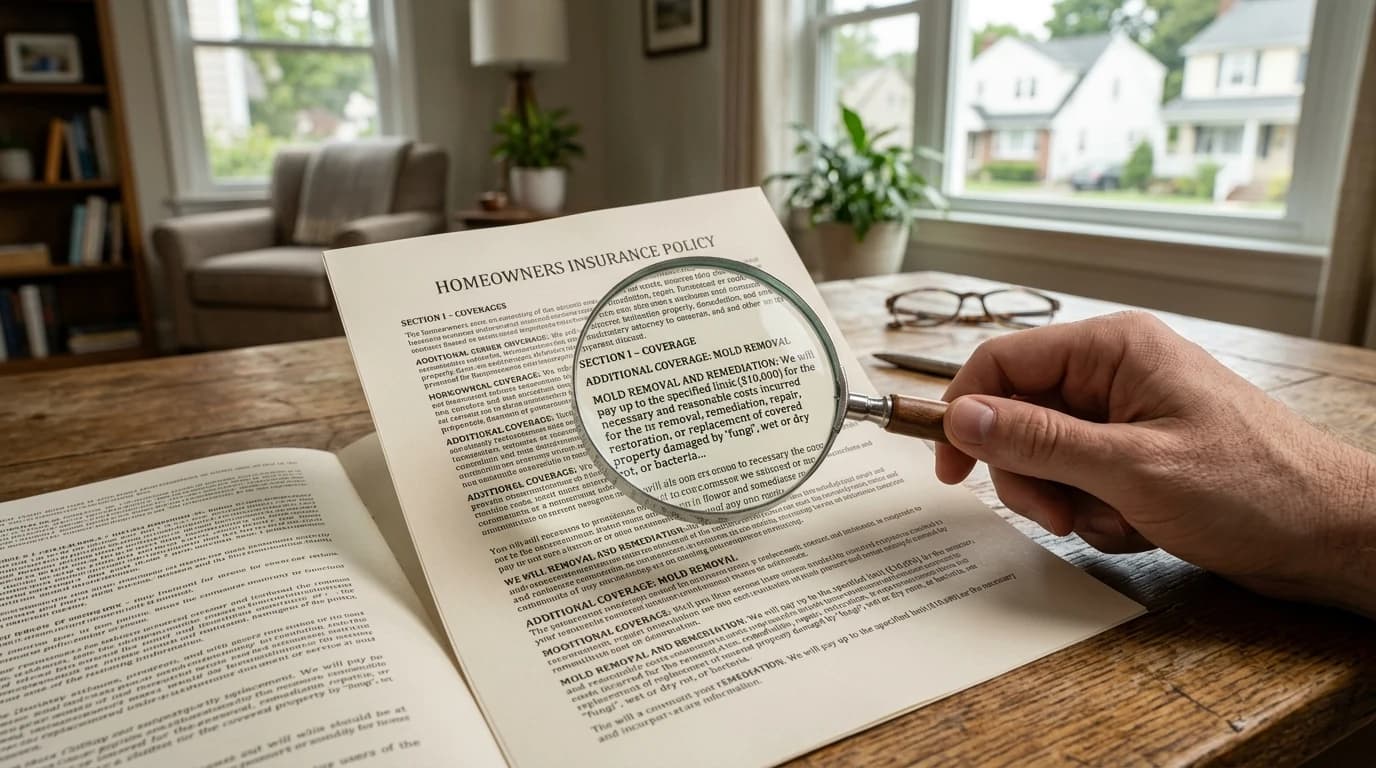
Homeowners insurance typically covers mold removal only if the mold is a result of a covered peril, such as water damage from a burst pipe or a storm. It's important to read your policy carefully to understand what's covered. Some policies have specific exclusions for mold, while others may offer limited coverage. Speak with your insurance agent to clarify the details of your coverage.
To understand your policy, start by identifying the perils covered. Commonly covered perils include sudden and accidental events like plumbing issues, HVAC system failures, or roof leaks due to storms. If mold results from these events, it may be covered. However, gradual issues like ongoing leaks or poor maintenance are often not covered.
Review your policy's declarations page, which outlines the limits and deductibles. Consider the mold exclusion section, where insurers detail what mold-related issues are not covered. Some policies might include a cap on mold damage claims, limiting the payout amount. For instance, a $10,000 cap might apply, which could influence the extent of remediation covered.
Consider consulting an insurance expert or a public adjuster to help interpret complex policy language. This can be particularly useful if your policy has ambiguous terms or if you face challenges during a claim process.
To understand your policy, start by identifying the perils covered. Commonly covered perils include sudden and accidental events like plumbing issues, HVAC system failures, or roof leaks due to storms. If mold results from these events, it may be covered. However, gradual issues like ongoing leaks or poor maintenance are often not covered.
Review your policy's declarations page, which outlines the limits and deductibles. Consider the mold exclusion section, where insurers detail what mold-related issues are not covered. Some policies might include a cap on mold damage claims, limiting the payout amount. For instance, a $10,000 cap might apply, which could influence the extent of remediation covered.
Consider consulting an insurance expert or a public adjuster to help interpret complex policy language. This can be particularly useful if your policy has ambiguous terms or if you face challenges during a claim process.
What steps should you take if you suspect mold damage?
If you suspect mold damage, document the damage with photos and written notes. File a claim with your insurance company as soon as possible. They may send an adjuster to assess the damage. It's important to keep records of all communications with your insurer. If remediation is covered, choose a reputable service provider like Bergenfield Mold Removal. Learn more about our mold removal services.
Begin by identifying the source of moisture feeding the mold, as addressing this is crucial for successful remediation. Look for visible signs of mold, such as discoloration on walls or ceilings, and note any musty odors. Use a moisture meter to detect hidden moisture, particularly in basements or attics.
When filing a claim, provide comprehensive evidence. Include dates and times of when you first noticed the mold, and any actions taken to mitigate further damage. This can strengthen your claim and expedite the process.
During the adjuster's visit, accompany them to ensure they assess all affected areas. Ask questions to understand their assessment and take additional notes. Post-assessment, request a copy of their report for your records.
After approval, select a certified mold remediation company. Verify their credentials and ask for a detailed remediation plan, including timelines and safety measures. Ensure they adhere to safety standards set by organizations like the Institute of Inspection, Cleaning and Restoration Certification (IICRC).
Begin by identifying the source of moisture feeding the mold, as addressing this is crucial for successful remediation. Look for visible signs of mold, such as discoloration on walls or ceilings, and note any musty odors. Use a moisture meter to detect hidden moisture, particularly in basements or attics.
When filing a claim, provide comprehensive evidence. Include dates and times of when you first noticed the mold, and any actions taken to mitigate further damage. This can strengthen your claim and expedite the process.
During the adjuster's visit, accompany them to ensure they assess all affected areas. Ask questions to understand their assessment and take additional notes. Post-assessment, request a copy of their report for your records.
After approval, select a certified mold remediation company. Verify their credentials and ask for a detailed remediation plan, including timelines and safety measures. Ensure they adhere to safety standards set by organizations like the Institute of Inspection, Cleaning and Restoration Certification (IICRC).

Can you purchase additional coverage for mold?
Some insurers offer additional mold coverage or endorsements for an extra premium. This can be a wise investment, especially for homeowners in areas prone to water damage. Before purchasing, compare the cost of the endorsement with potential out-of-pocket expenses for mold remediation. Consider consulting with an insurance professional to determine the best option for your situation.
To evaluate the need for additional coverage, assess your home's risk factors. Homes in humid climates or areas with high annual rainfall are more susceptible to mold. Older homes with outdated plumbing or roofing may also benefit from extra coverage.
When exploring endorsements, inquire about the scope of coverage. Some endorsements cover only mold remediation, while others may include testing, repair, and prevention. Determine if the coverage includes both direct and indirect losses, such as damage to personal belongings.
Examine the cost-benefit ratio by obtaining quotes from multiple insurers. Compare the premium costs against potential remediation expenses, which can range from $500 to $6,000 or more, depending on severity. Endorsements might also influence your policy's deductible, so clarify these details with your insurer.
Engage a local insurance advisor familiar with NJ regulations to gain insights into regional risks and insurance trends. They can provide tailored advice based on your home's specific needs, helping you make an informed decision about additional coverage.
To evaluate the need for additional coverage, assess your home's risk factors. Homes in humid climates or areas with high annual rainfall are more susceptible to mold. Older homes with outdated plumbing or roofing may also benefit from extra coverage.
When exploring endorsements, inquire about the scope of coverage. Some endorsements cover only mold remediation, while others may include testing, repair, and prevention. Determine if the coverage includes both direct and indirect losses, such as damage to personal belongings.
Examine the cost-benefit ratio by obtaining quotes from multiple insurers. Compare the premium costs against potential remediation expenses, which can range from $500 to $6,000 or more, depending on severity. Endorsements might also influence your policy's deductible, so clarify these details with your insurer.
Engage a local insurance advisor familiar with NJ regulations to gain insights into regional risks and insurance trends. They can provide tailored advice based on your home's specific needs, helping you make an informed decision about additional coverage.
How to Choose the Right Mold Remediation Company
Selecting the right mold remediation company is crucial to ensure effective removal and prevent future issues. Start by researching local companies with strong reputations. Look for certifications such as those from the Institute of Inspection, Cleaning and Restoration Certification (IICRC) or the National Organization of Remediators and Mold Inspectors (NORMI). These credentials indicate that the company adheres to industry standards and best practices.
Request estimates from multiple companies to compare services and pricing. Be wary of companies that offer quotes without conducting a thorough inspection, as mold issues can vary significantly in scope. A reputable company will provide a detailed assessment and a comprehensive remediation plan, including timelines, safety measures, and post-remediation testing.
Check online reviews and ask for references to gauge past customer satisfaction. Speaking with previous clients can provide insights into the company’s professionalism, punctuality, and effectiveness. Additionally, verify that the company is insured and bonded, which protects you in case of accidents or damage during the remediation process.
Communication is key, so choose a company that is responsive and willing to answer your questions. They should clearly explain their processes and be transparent about potential costs. By taking these steps, you can confidently select a mold remediation company that will address your needs effectively and efficiently.
Request estimates from multiple companies to compare services and pricing. Be wary of companies that offer quotes without conducting a thorough inspection, as mold issues can vary significantly in scope. A reputable company will provide a detailed assessment and a comprehensive remediation plan, including timelines, safety measures, and post-remediation testing.
Check online reviews and ask for references to gauge past customer satisfaction. Speaking with previous clients can provide insights into the company’s professionalism, punctuality, and effectiveness. Additionally, verify that the company is insured and bonded, which protects you in case of accidents or damage during the remediation process.
Communication is key, so choose a company that is responsive and willing to answer your questions. They should clearly explain their processes and be transparent about potential costs. By taking these steps, you can confidently select a mold remediation company that will address your needs effectively and efficiently.
Preventing Mold Growth in Your Home
Preventing mold growth is essential for maintaining a healthy home environment and avoiding costly remediation. The first step is controlling moisture, as mold thrives in damp conditions. Regularly inspect your home for leaks in plumbing, roofing, and windows. Promptly repair any issues to prevent water accumulation.
Use dehumidifiers in areas prone to moisture, such as basements and bathrooms, to maintain humidity levels below 60%. Ensure proper ventilation by using exhaust fans in kitchens and bathrooms and opening windows when weather permits. In Bergenfield and similar climates, where humidity can be high, these measures are particularly important.
Keep gutters clean and ensure that downspouts direct water away from your home’s foundation. This prevents water from seeping into your basement or crawl spaces. Additionally, landscape your yard to slope away from your home, reducing the risk of water pooling around the foundation.
Regularly clean and maintain HVAC systems, as they can distribute mold spores throughout your home. Replace filters frequently and schedule professional inspections annually. Consider installing a whole-home dehumidifier for consistent moisture control.
Finally, be vigilant about indoor humidity. Use a hygrometer to monitor levels, and take action if they rise. By implementing these preventative measures, you can significantly reduce the risk of mold growth in your home, ensuring a safer living environment for you and your family.
Use dehumidifiers in areas prone to moisture, such as basements and bathrooms, to maintain humidity levels below 60%. Ensure proper ventilation by using exhaust fans in kitchens and bathrooms and opening windows when weather permits. In Bergenfield and similar climates, where humidity can be high, these measures are particularly important.
Keep gutters clean and ensure that downspouts direct water away from your home’s foundation. This prevents water from seeping into your basement or crawl spaces. Additionally, landscape your yard to slope away from your home, reducing the risk of water pooling around the foundation.
Regularly clean and maintain HVAC systems, as they can distribute mold spores throughout your home. Replace filters frequently and schedule professional inspections annually. Consider installing a whole-home dehumidifier for consistent moisture control.
Finally, be vigilant about indoor humidity. Use a hygrometer to monitor levels, and take action if they rise. By implementing these preventative measures, you can significantly reduce the risk of mold growth in your home, ensuring a safer living environment for you and your family.
Understanding the Claim Process for Mold Damage
Navigating the insurance claim process for mold damage can be daunting, but being well-prepared can make it smoother. Start by reviewing your policy to confirm coverage details. If mold damage is covered, promptly notify your insurance provider to initiate the claim. Document all affected areas with clear photos and detailed notes. This evidence is crucial for supporting your claim and can expedite the process.
When you file the claim, include a timeline of events, such as when you first noticed the mold and any steps you took to mitigate further damage. This demonstrates your diligence and can bolster your case. Be prepared for an insurance adjuster to visit your property. During their inspection, accompany them to ensure they assess all areas of concern. Ask questions to clarify their findings and take additional notes for your records.
After the adjuster’s visit, request a copy of their report. Review it thoroughly to ensure it accurately reflects the damage. If discrepancies arise, address them promptly with your insurer. Once your claim is approved, your insurer will outline the next steps, including any approved remediation services. Understanding each phase of the claim process and maintaining open communication with your insurer can lead to a more favorable outcome.
When you file the claim, include a timeline of events, such as when you first noticed the mold and any steps you took to mitigate further damage. This demonstrates your diligence and can bolster your case. Be prepared for an insurance adjuster to visit your property. During their inspection, accompany them to ensure they assess all areas of concern. Ask questions to clarify their findings and take additional notes for your records.
After the adjuster’s visit, request a copy of their report. Review it thoroughly to ensure it accurately reflects the damage. If discrepancies arise, address them promptly with your insurer. Once your claim is approved, your insurer will outline the next steps, including any approved remediation services. Understanding each phase of the claim process and maintaining open communication with your insurer can lead to a more favorable outcome.
The Importance of Timely Mold Remediation
Timely mold remediation is critical to minimizing damage and safeguarding your health. Mold can spread rapidly, particularly in humid environments, making early intervention essential. Delaying remediation not only exacerbates structural damage but can also pose significant health risks, including respiratory issues and allergic reactions.
Once mold is detected, act quickly to address the source of moisture, as this is the key to preventing further growth. Common sources include leaks in plumbing, roofs, or windows. Repair these issues promptly to halt mold proliferation. While addressing the moisture source, simultaneously arrange for a professional mold assessment. This evaluation will determine the extent of the infestation and guide the remediation process.
Choosing a qualified mold remediation company ensures that the mold is effectively removed and that preventive measures are implemented. These experts use specialized equipment and techniques to safely remove mold and prevent recurrence. Additionally, they can offer advice on maintaining optimal humidity levels and improving ventilation to deter future mold growth.
In Bergenfield and similarly humid areas, proactive measures are particularly important. By prioritizing swift remediation, you not only protect your property but also contribute to a healthier living environment for you and your family. Remember, the sooner you address mold issues, the less impact they will have on your home and health.
Once mold is detected, act quickly to address the source of moisture, as this is the key to preventing further growth. Common sources include leaks in plumbing, roofs, or windows. Repair these issues promptly to halt mold proliferation. While addressing the moisture source, simultaneously arrange for a professional mold assessment. This evaluation will determine the extent of the infestation and guide the remediation process.
Choosing a qualified mold remediation company ensures that the mold is effectively removed and that preventive measures are implemented. These experts use specialized equipment and techniques to safely remove mold and prevent recurrence. Additionally, they can offer advice on maintaining optimal humidity levels and improving ventilation to deter future mold growth.
In Bergenfield and similarly humid areas, proactive measures are particularly important. By prioritizing swift remediation, you not only protect your property but also contribute to a healthier living environment for you and your family. Remember, the sooner you address mold issues, the less impact they will have on your home and health.